


Reading Time: 8 min
“The greatest blessings of mankind are within us and within our reach. A wise man is content with his lot, whatever it may be, without wishing for what he has not.”
Seneca
Contents
For mental health awareness day
We are living in a post pandemic world. Stress and anxiety levels have soared, and the boundaries between personal and professional lives have blurred. For many millennials, life feels like an endless race. Mental Health Awareness still is just a keyword for many, while they refresh their social media feeds every minute seeking validation, but ironically, social media only amplifies our wants and desires, often leading us further away from genuine contentment. I will not criticize social media, as I believe it is important, but I cannot deny that for the multitude of us, the present moment is overshadowed by desires and toxic thoughts, leading to a continuous cycle of yearning for what we lack. Such a perspective makes us lose sight of the present blessings, leading us to forget the fortune we’ve been bestowed with. As Mental Health Awareness Day beckons today, I want to talk about personal learnings through my practice of stoic philosophy – the concept of gratitude.
Gratitude for mental health
So, what exactly is gratitude? It is, in essence, a practice. Not everyone is naturally predisposed to feel gratitude or optimism. As psychologist Robert Emmons posits, some individuals must learn these traits, especially those with a naturally lower set-point for happiness. Research suggests that cultivating gratitude can lead to better physical health, increased happiness, a more positive outlook, and possibly, an even better life. It’s the antidote to the myopic view of always wanting more. Individuals who practice gratitude tend to see adversity as potential for growth. Grateful people tend to be more grounded and tend to be generous and kind.
“Do not spoil what you have by desiring what you have not; remember that what you now have was once among the things you only hoped for.”
Epicurus
While many of us chase bigger cars, bigger homes, and bigger bank balance, Stoicism reminds us of the happiness derived from being grateful for our present blessings, ensuring a balanced mental health. I am not saying that having these as goals or achieving these things are not good, but equating our happiness with these things is just setting up the wrong goal post. Stoicism, like Buddhism, reminds us of the transient nature of life and teaches us to be content and grateful of what we have. Another cornerstone of Stoic philosophy that enhances gratitude is negative visualization. To truly appreciate what we possess, we must sometimes visualize its absence. Consider being robbed in a foreign country, bereft of all belongings. It’s only when we face such adversities that we genuinely understand the value of our daily comforts.
The benefits of gratitude aren’t just philosophical, they’re scientific. Expressing gratitude can lead to a happier mind, benefiting our mental health. When we express gratitude, our brains release dopamine and serotonin — hormones associated with happiness. A study indicated that expressing gratitude might have long-term effects on the brain, potentially enhancing our mental health over time. Another study among engineering students in India shed light on how practicing gratitude brings about positive emotions and helps differentiate between duty and genuine thankfulness.
Gratitude for mental fitness
But how do we make gratitude a daily ritual? Stoicism offers many suggestions to practice gratitude. Start your day with an early morning reflection on what you’re thankful for. Regularly practice negative visualization to remain grounded. Before bedtime, reflect on three things you’re grateful for, and understand why they matter. Most importantly, whenever you feel overwhelmed with worry or become excessively fixated on the negatives, take a moment to introspect. We do not need to be in a hurry. These practices remind us of life’s impermanence, urging us to cherish every moment. There is no set pattern, there is no rule book for what we should be grateful for, and everyone’s compass of what we are grateful would differ, but being grateful ensures that we are mindful of the wealth that is the present.
I am grateful
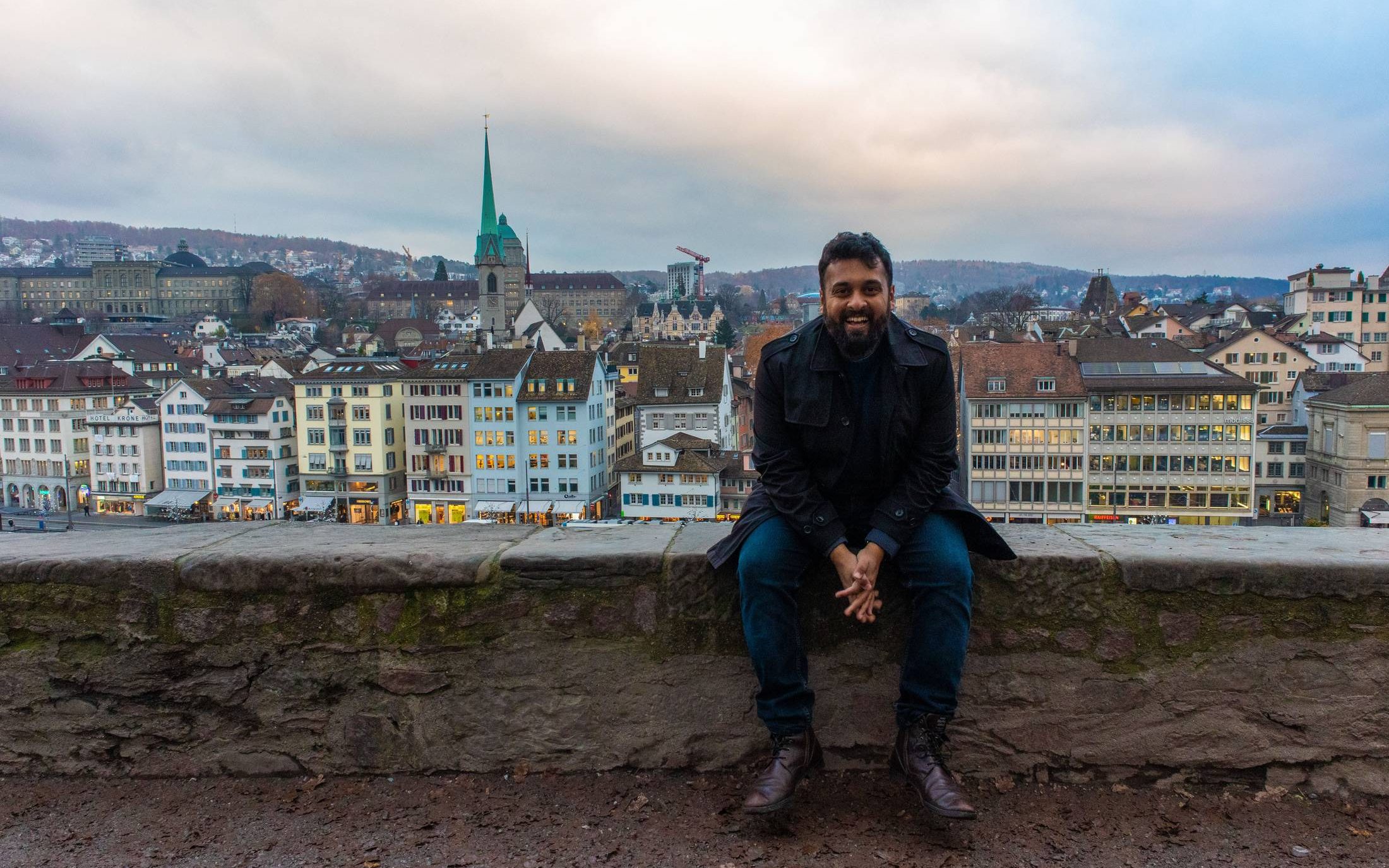
The end of 2019 was tumultuous for me. Multiple undesirable events happened in a span of few weeks, all started with a robbery in Europe. I lost a lot on personal and professional end and there were days I had nothing and felt empty. On those days I revisited my Stoicism. I penned down the best thing that happened each month. I realized there were months that I had multiple things that were ‘the best things.’ By documenting the highs of each month, I recognized the balance in my personal, private, and professional life. I realized that the joys far outweighed the sorrows.
Marcus Aurelius profoundly said, ‘Nature, all that your seasons bring is fruit to me.’ It’s imperative that we relish the fruits we’ve been given, rather than yearning for those out of reach. For if we can’t appreciate our current lives, do we truly deserve more? Gratitude, in its purest form, is the essence of happiness. It’s a call to action for each of us. Practice gratitude daily, express it openly, and delve deeper into Stoic teachings to understand life’s true riches. Ingratitude and joy cannot co-exist, one must appreciate what they have, to experience true happiness.
The first image was clicked in one of my favourite viewpoints in Zurich and the second picture is me at that viewpoint around the end of 2019 – a major linchpin of my life. I have written similar posts on happiness and memento mori. Made another post in 2020 on mental health day here. You can follow me on Instagram for more travel photographs.